Case Study
Project Overview
Overview
Fitsense is a calorie and fitness tracking app designed to offer a more personalized, intuitive, and efficient experience than traditional apps like MyFitnessPal or Yazio. It blends meal logging, fitness tracking, and smart features like voice input to help users stay consistent with minimal friction.
My Role
UIUX Designer
Team
2 UIUX Designers
1 Product Manager
2 Graphic Designer
1 Fullstack Developer
1 Backend Developer
1 Marketer
Tools
Figma
Figjam for research board
Figma mobile app for prototype testing
Notion
ChatGBT
Google Forms
Zoom
Timeline
About 6 weeks
The problems
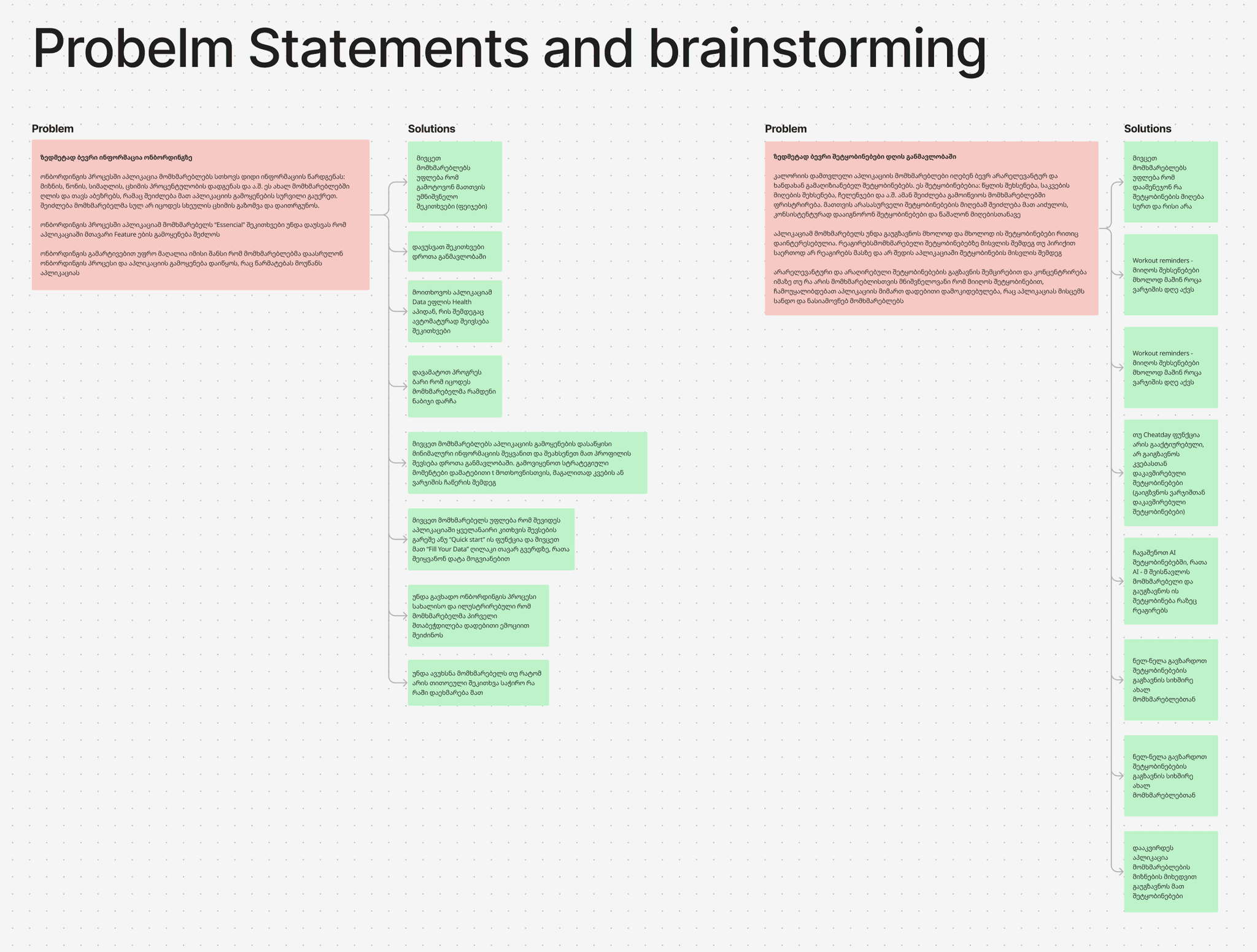
Most calorie tracking apps fail because they’re not designed for real consistency.
Users get lost in menus, overwhelmed by clutter, or simply give up—because the app doesn’t feel built for them.
Early research revealed core pain points:
Too many steps to log food
Too many irrelevant notifications during the day
Inaccurate data
Lack of personalization
Poor voice input UX
Homepage overload with no clear focus
Secondary research
I started by analyzing existing apps and UX case studies to understand what’s working and what’s broken. I explored:
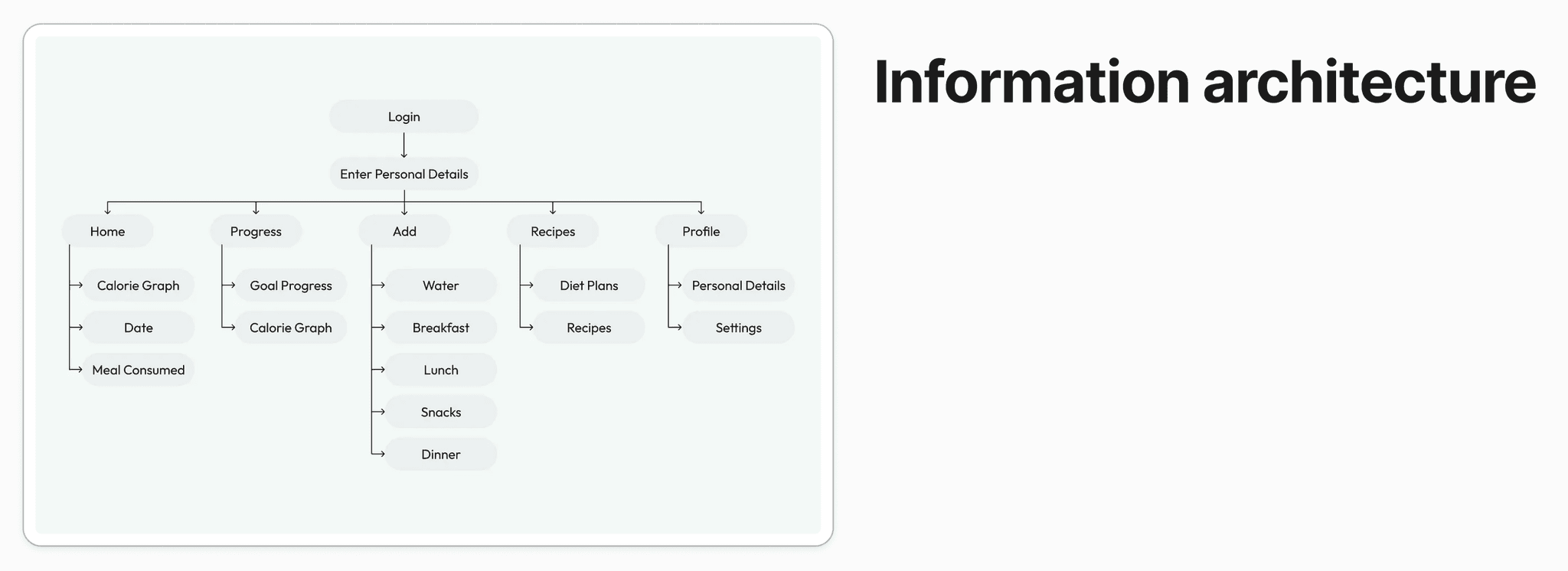
Information Architecture: How apps structure features like meal logs, workouts, recipes
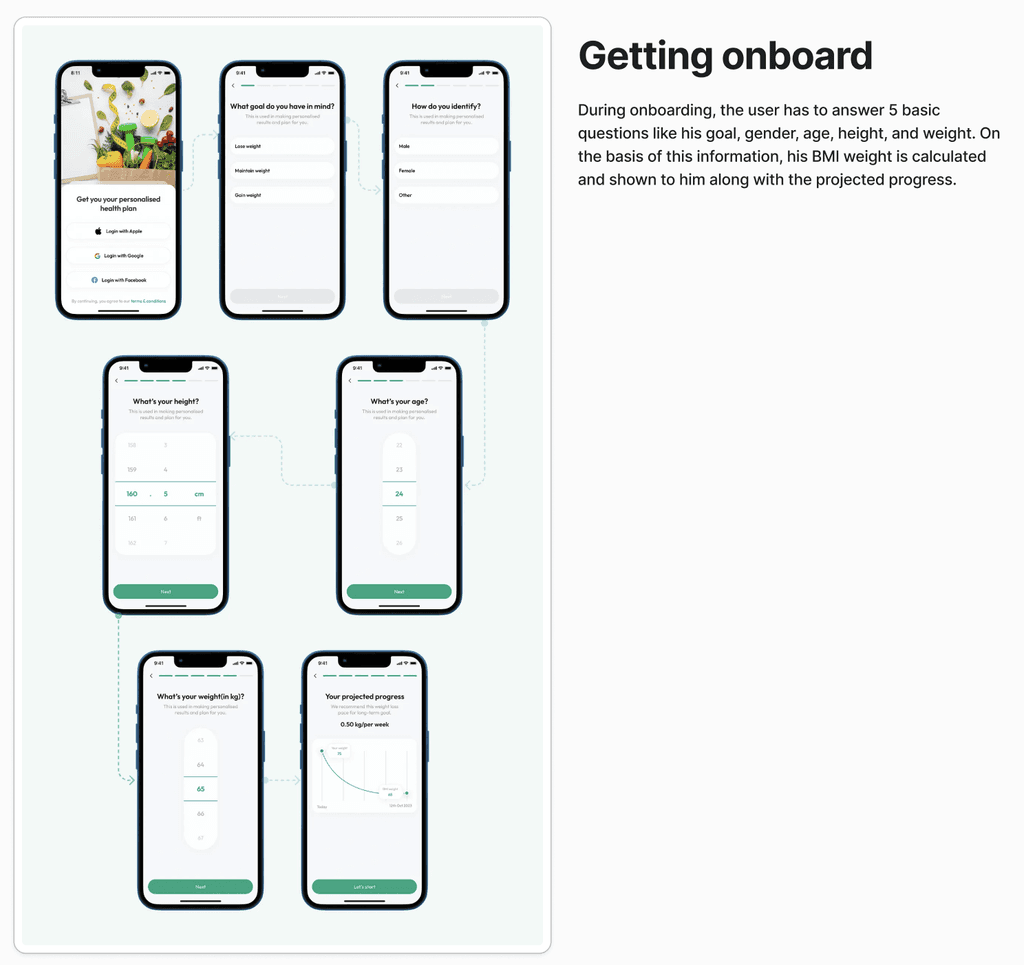
Onboarding Flows: How apps hook (or lose) users
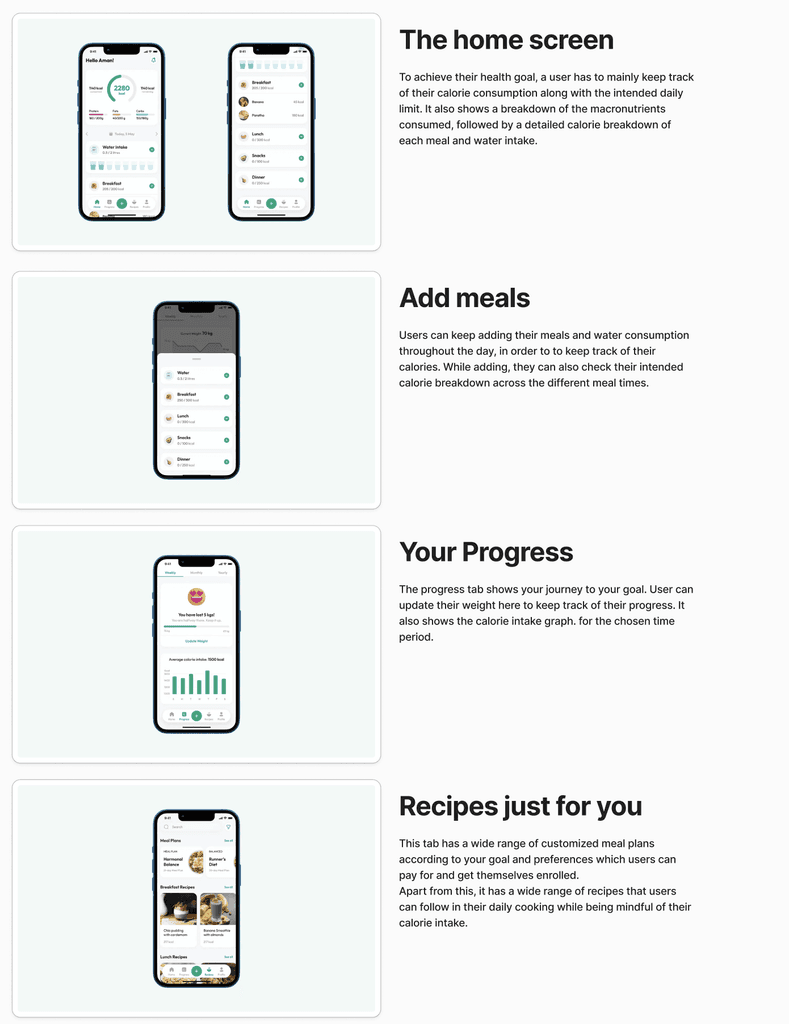
Homepages & Logging Flows: Where users spend most time and how easy it is to navigate
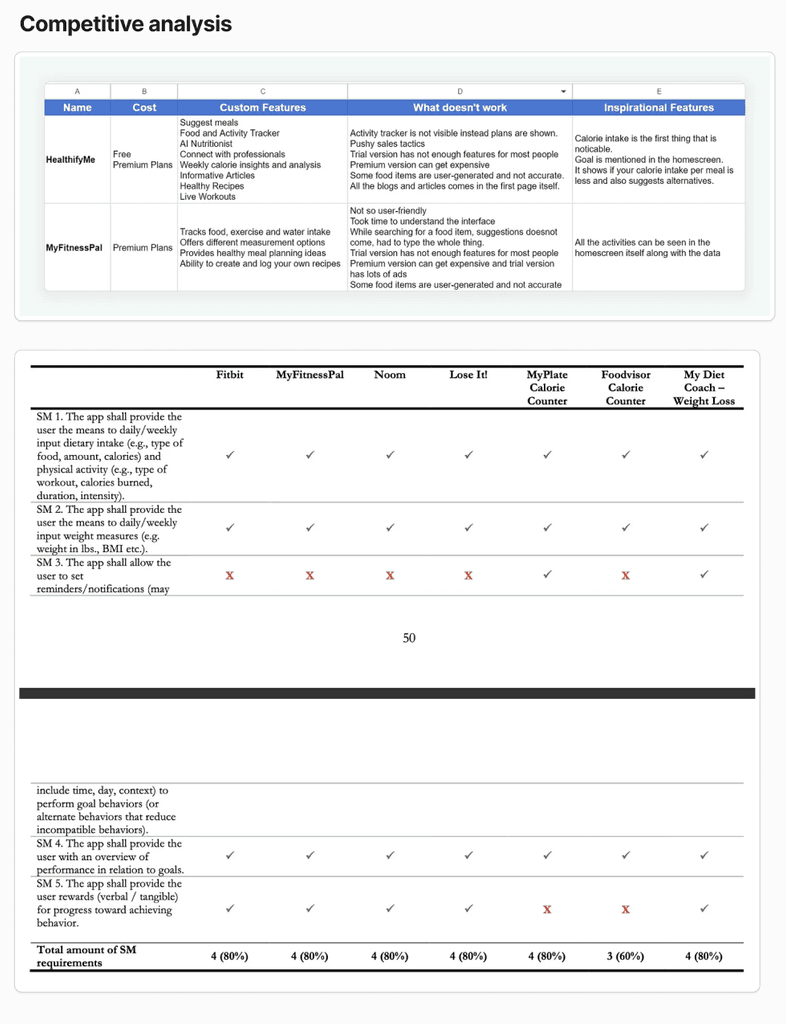
Competitive Analysis: Fitbit, MyFitnessPal, Noom, Lose it!, MyPlate Caloire Counter, My Diet Coach - Weight Loss
Persona Brainstorming via AI
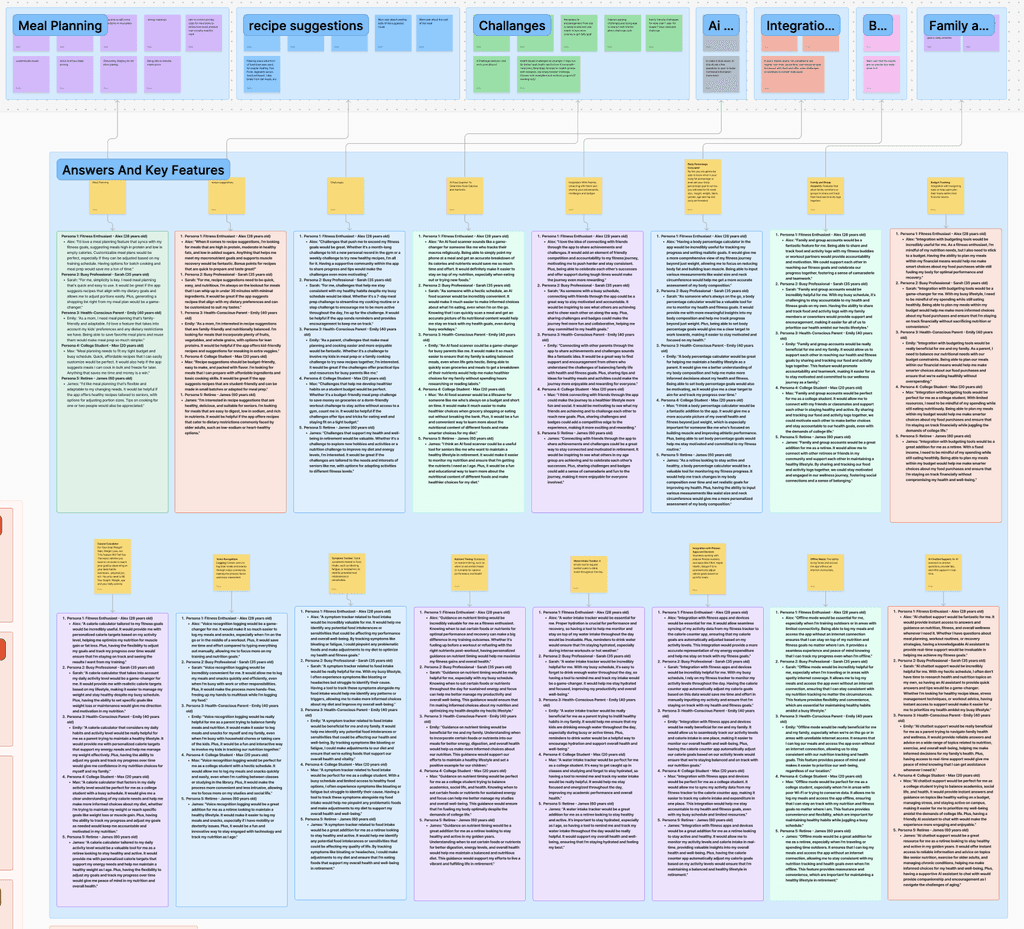
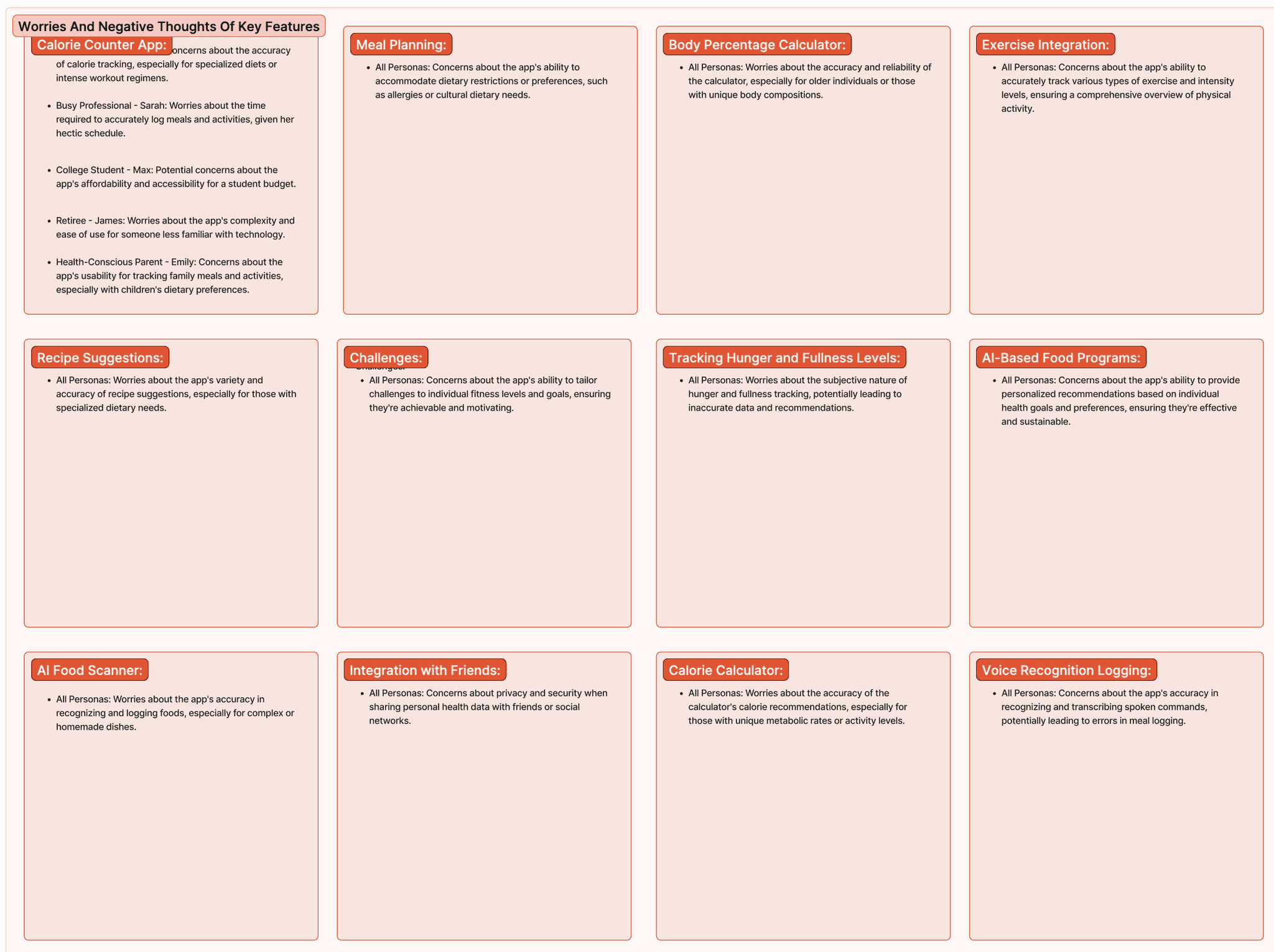
To test early ideas and assumptions, I generated user personas and “interviewed” them using AI. This helped refine potential user needs and informed my primary research focus.
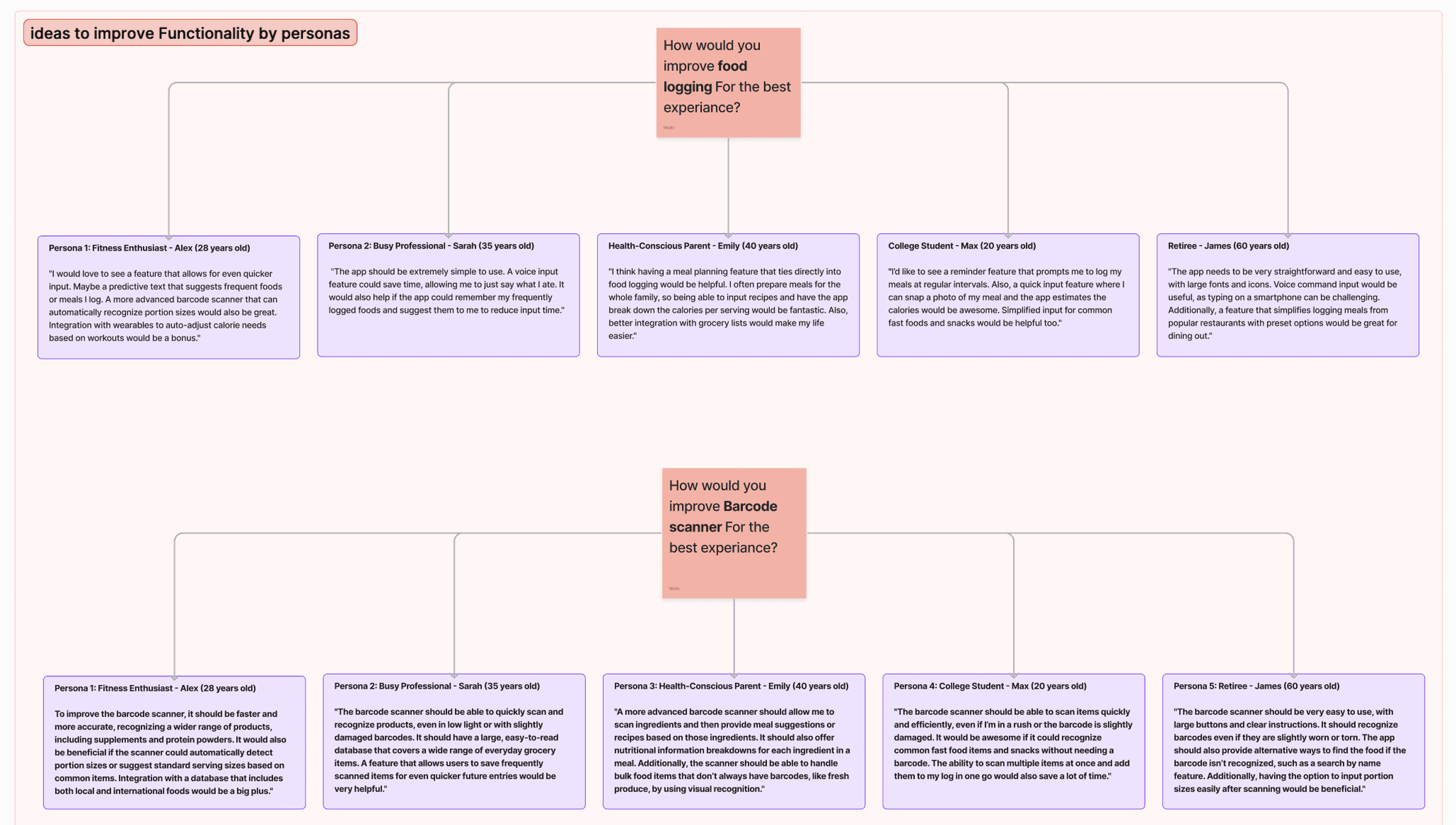
AI Personas with key answers
AI Personas worries
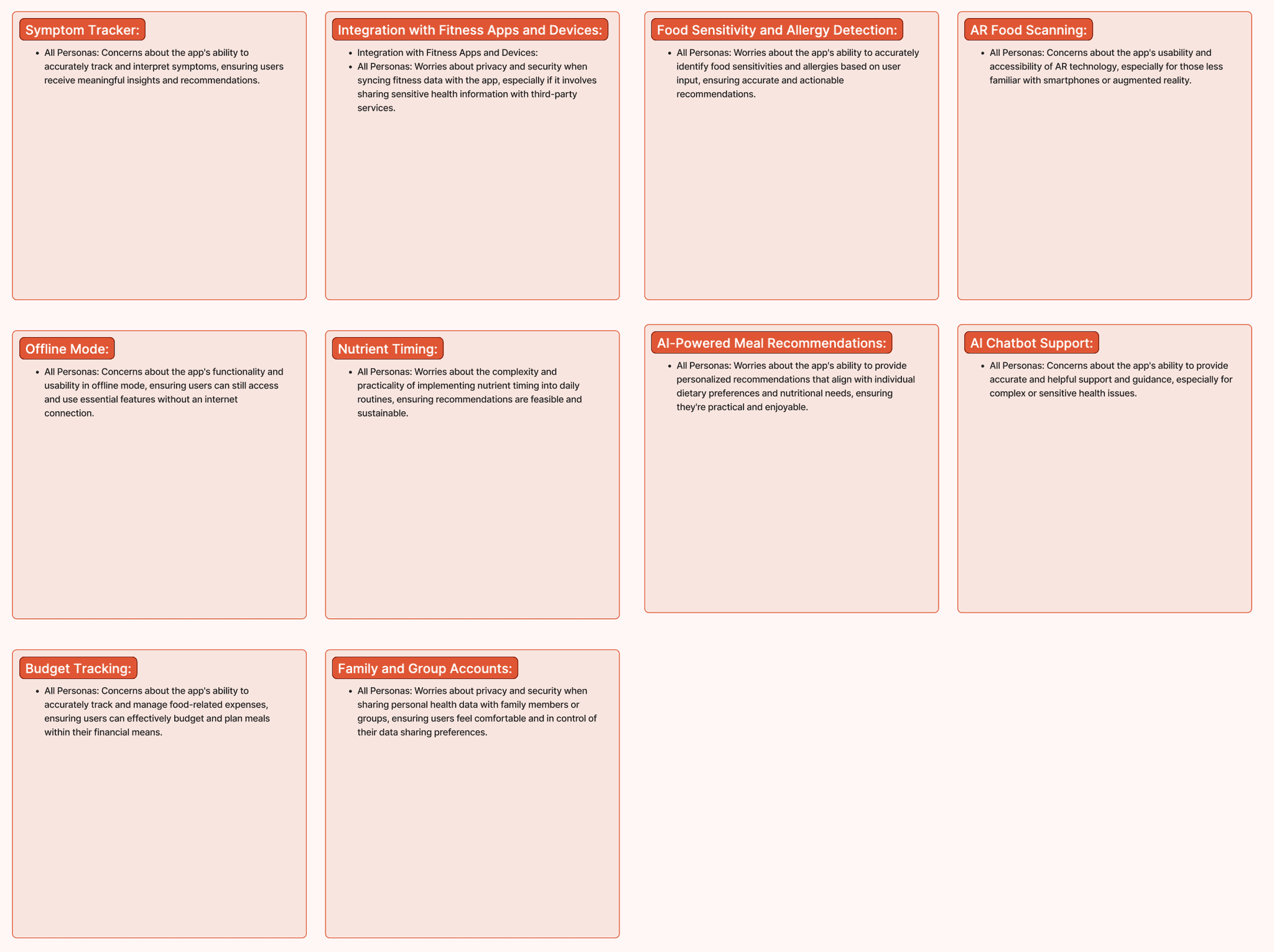
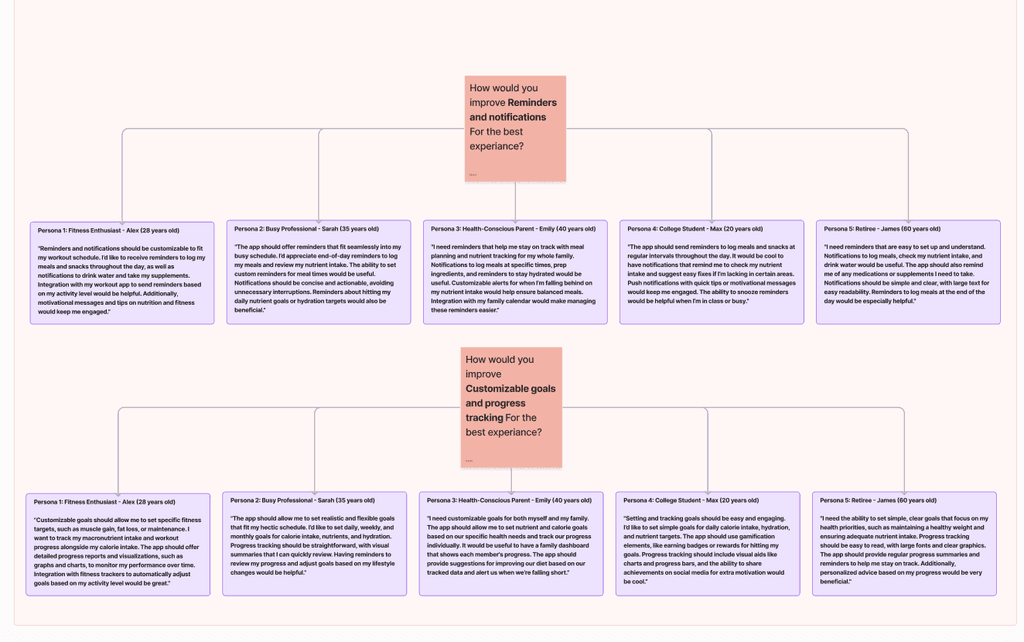
AI Personas thoughts of improving the performance of the application
Primary Research
Real interviews with real users
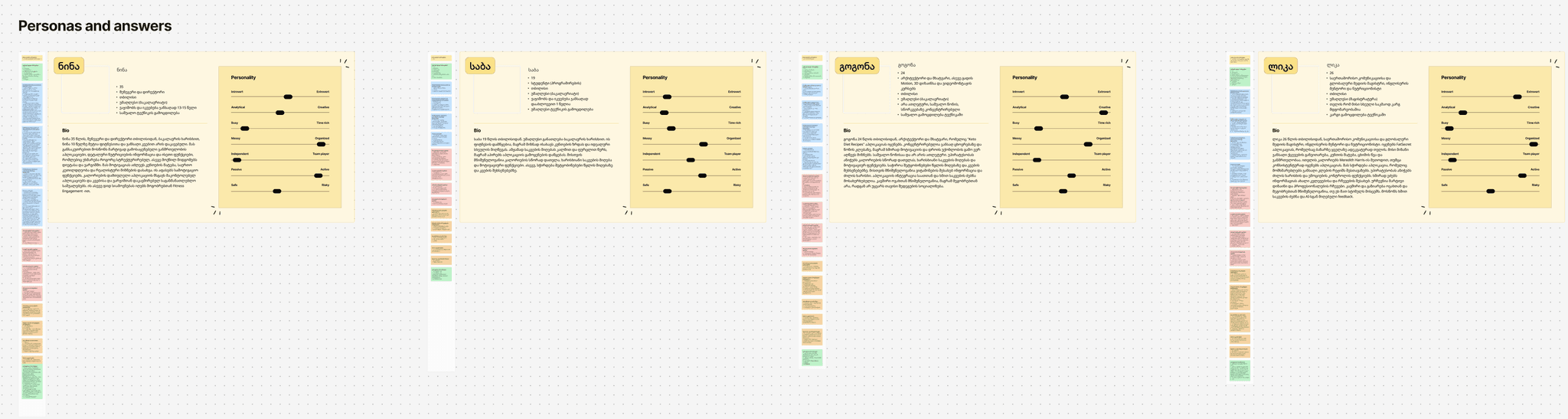
Nina – Gymgoer for 13 years, heavy calorie tracker. Emphasized habit, speed, and tracking accuracy
Saba – Beginner, never used a tracker. Wanted simplicity and motivation
Gogona – Used to track, but stopped. Quit due to mental burnout and app fatigue
Lika – Nutritionist. Focused on UX problems in food logging, especially for clients
Personas
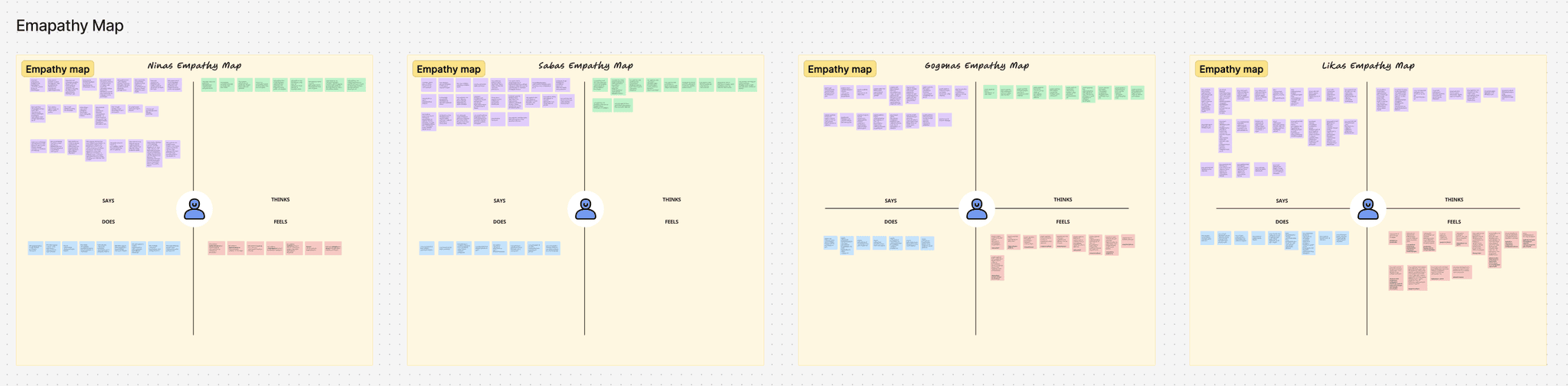
Empathy maps of users
User journey mapping

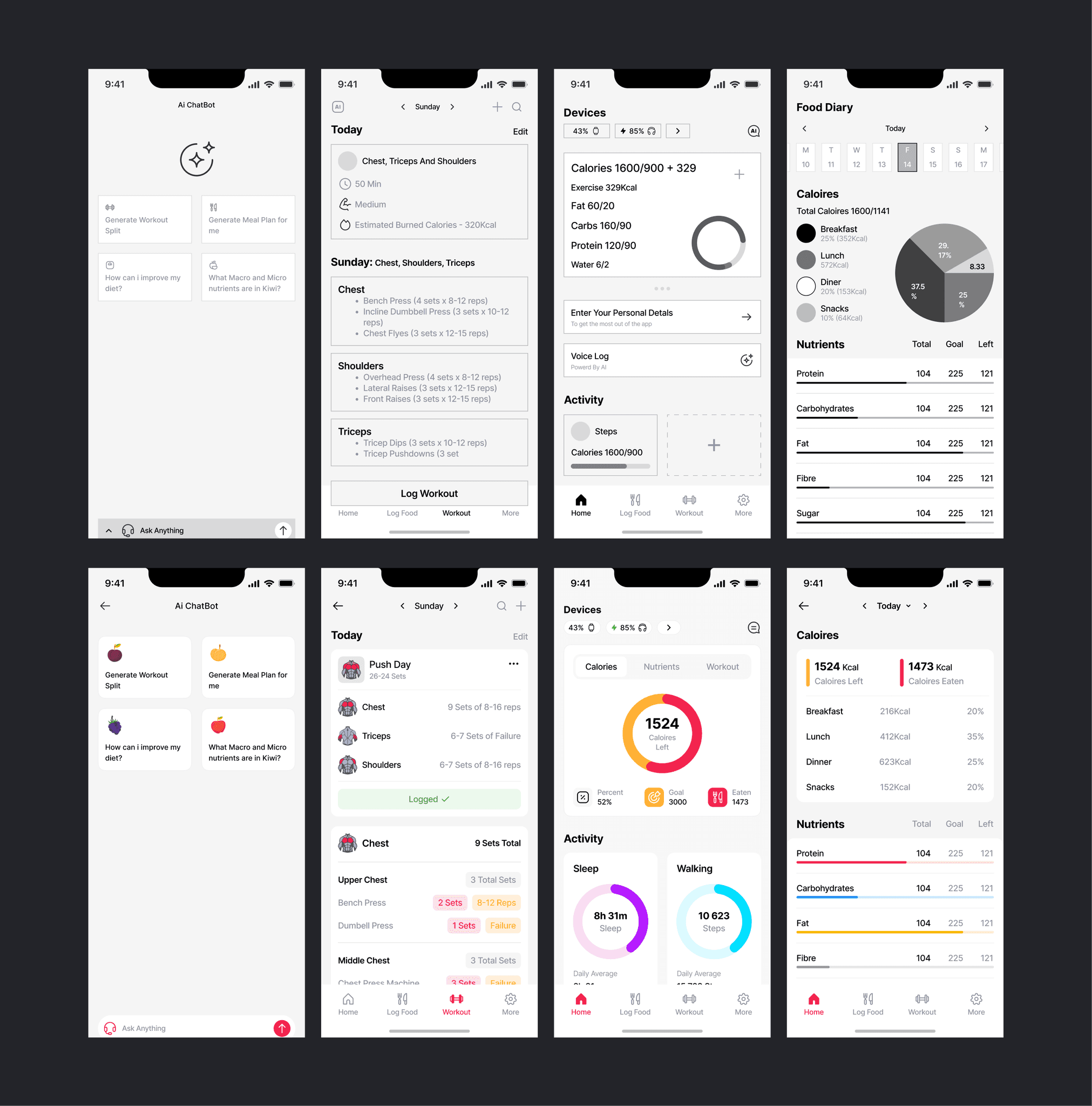
Wireframes
Iteration Based on Testing
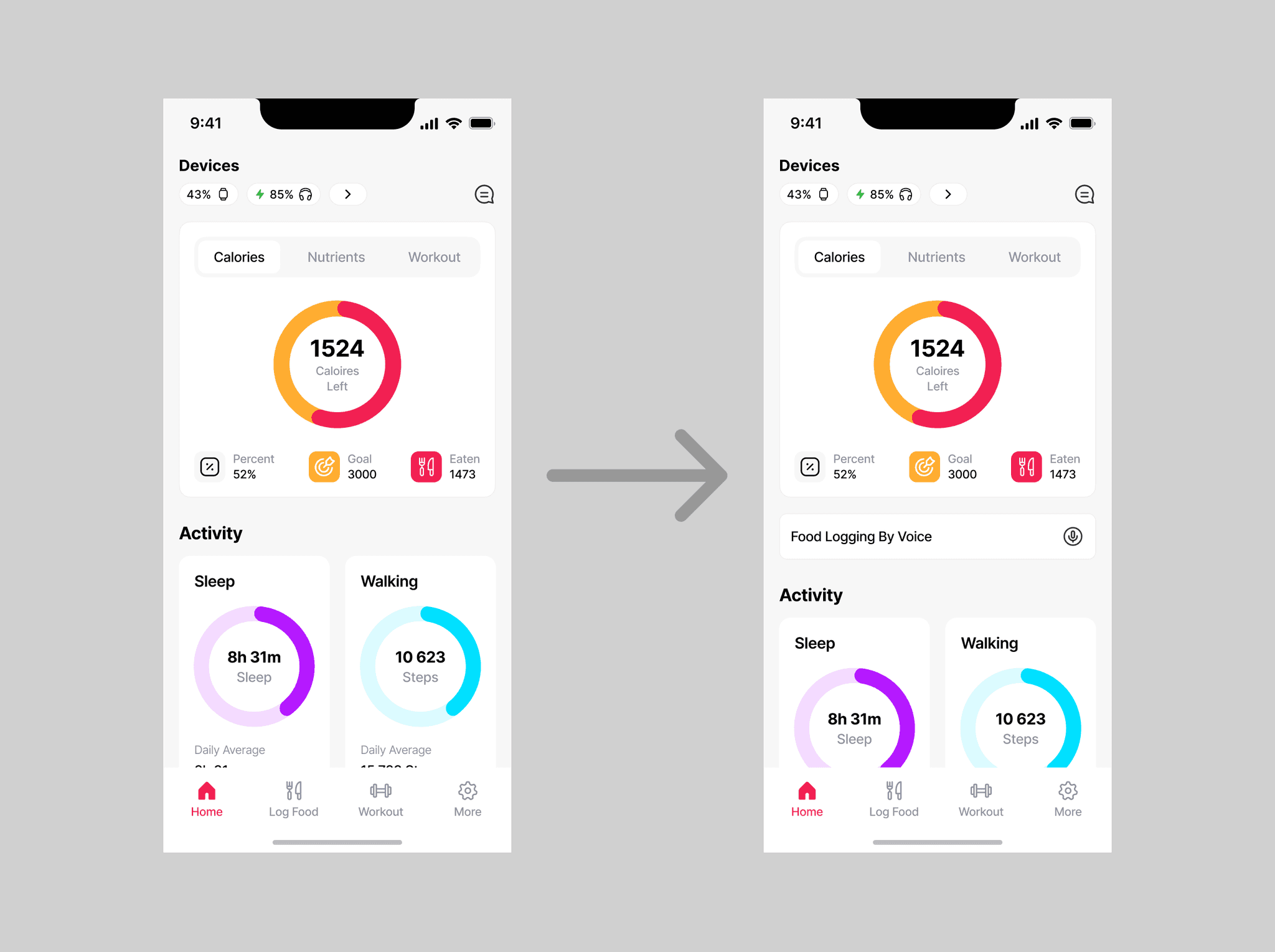
During usability testing, a recurring issue emerged—users consistently struggled to find the voice logging feature. One participant summed it up perfectly: “When I tried logging food with voice, I couldn’t find the button—I assumed it would be on the home screen.” This feedback was echoed by all testers.
✅ Fix: I added a clearly labeled voice logger directly on the homepage.
🎯 After the change: All users completed the voice logging task without help.
Final UI & Visual Language
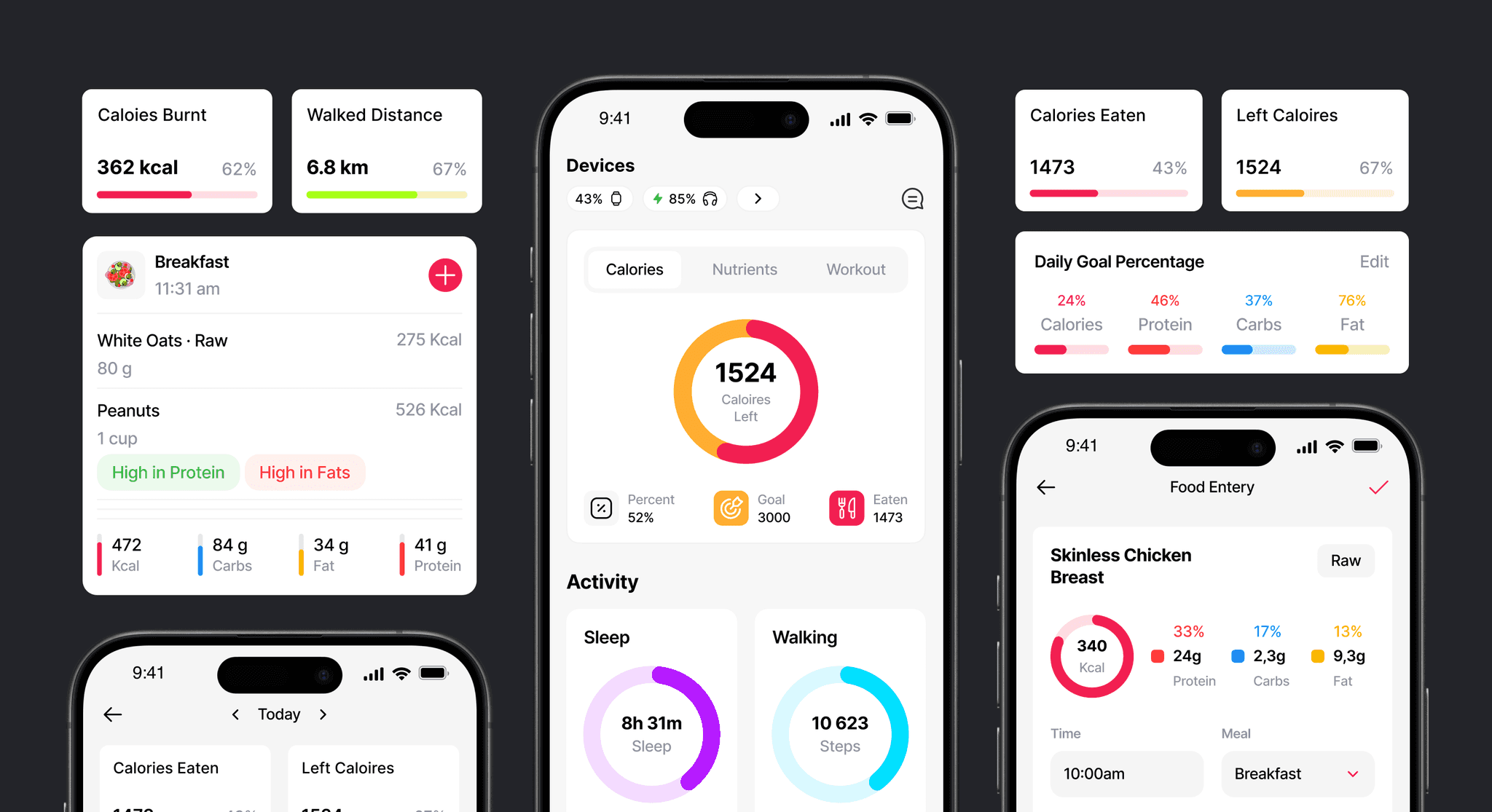
I developed a clean, calming design system with health-focused colors and a friendly, modern typeface. Design choices were focused on clarity, low cognitive load, and ease of navigation.
Outcome & Reflection
The result was a tracker that’s less about data dumping—and more about helping people stay consistent. Testing showed:
🔹 100% task success after iterations
🔹 3/4 users said they would “definitely use it if it launched”
🔹 Voice logging became the most appreciated feature post-fix
This project helped me level up in designing behavior-driven UX and feature prioritization based on real feedback.